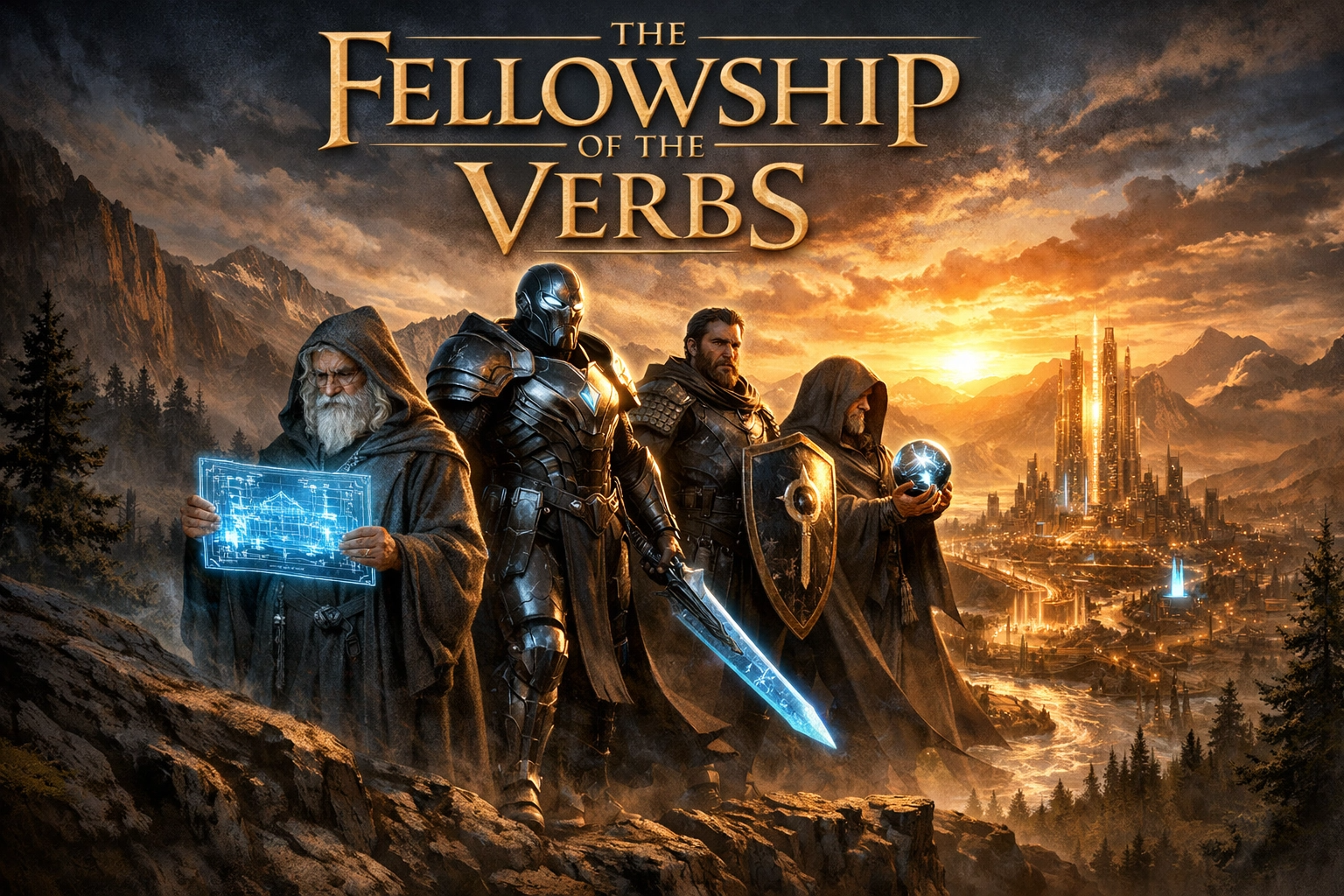
The Fellowship
of the Verbs
"A tale of clarity forged in the age of invisible systems."
Part I: The Age of Shadows
The Hidden Age
In the early age of software, before systems were truly understood, there existed a shadow across the world of AI. It was not obvious at first. Developers built powerful applications. They connected models to tools.
They wrote prompts like, "Fill this form or send this request or analyze this data." And the AI responded. It worked. At least it seemed to. But something was wrong.
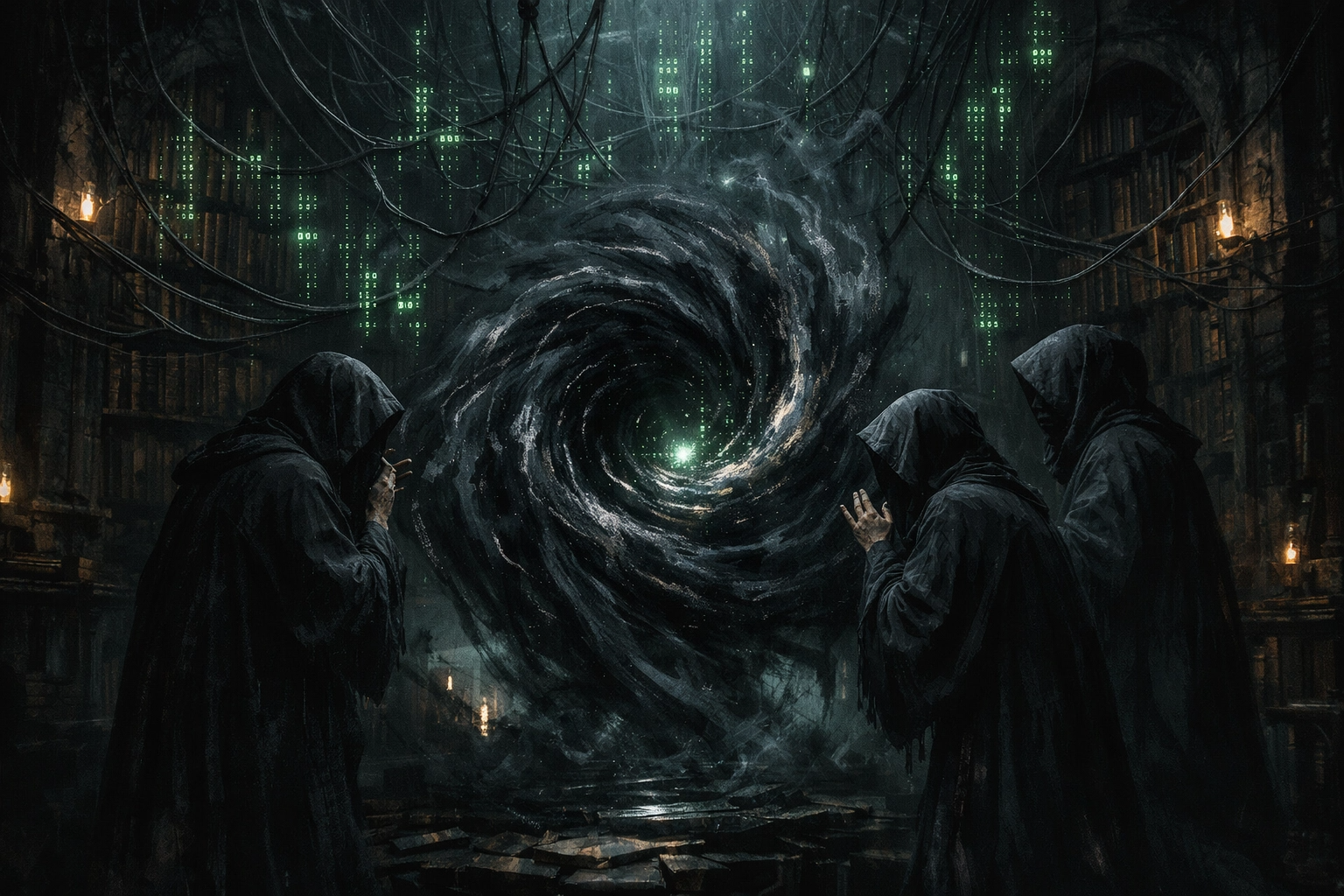

Scatter and Buried
The actions were happening yet no one could see them. There was no central place where these capabilities lived. No list, no registry, no map. A developer might ask, "What can my AI actually do?"
And there would be no clear answer because the actions were scattered, hidden inside prompts, buried in routes, split across front-end logic and backend handlers.
The Chaos Forged
One tool became 10. 10 became a hundred. And still, no one could see the full picture. Debugging became guesswork. Execution became unpredictable.
Developers were no longer fully in control of the systems they had built. It was as if something had slipped into the shadows, something powerful but unseen.

Part II: The Forge of Clarity
"Not from more power, but from clarity, from structure. From the simple idea that actions should not be hidden, they should be declared. And from that idea, OpenVerb was born."
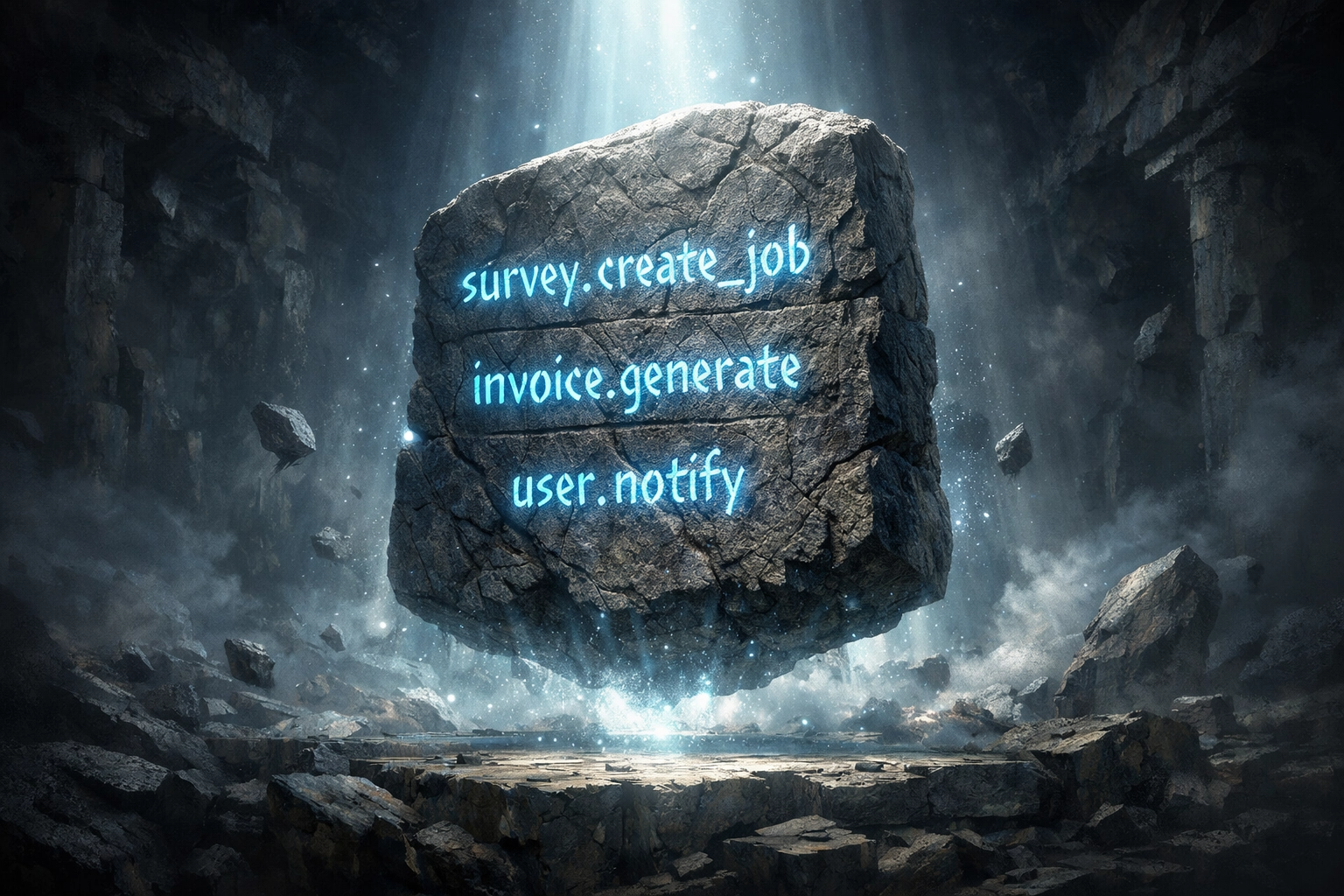
The Book of Verbs
OpenVerb did something radically simple. It gave every action a name. Not a vague instruction, not a hidden function. A verb. clear, defined, visible.
Part III: The Unified Layer

The Reveal
What if every action had a name? What if every capability was declared? What if nothing was hidden? One system to list them all, one system to control them. One system to trace every execution.
It did not replace the tools, it revealed them. It did not increase power. It made power visible. For the first time, developers could look at their systems and truly understand them.
Order Manifested
The system was no longer a collection of hidden behaviors. It became a declared world of actions, a fellowship. Each verb with a purpose, each with defined inputs, defined outputs, defined effects.
Working together not as chaos, but as a system. The developer was no longer guessing, no longer hoping the AI would behave. They were orchestrating it with precision.

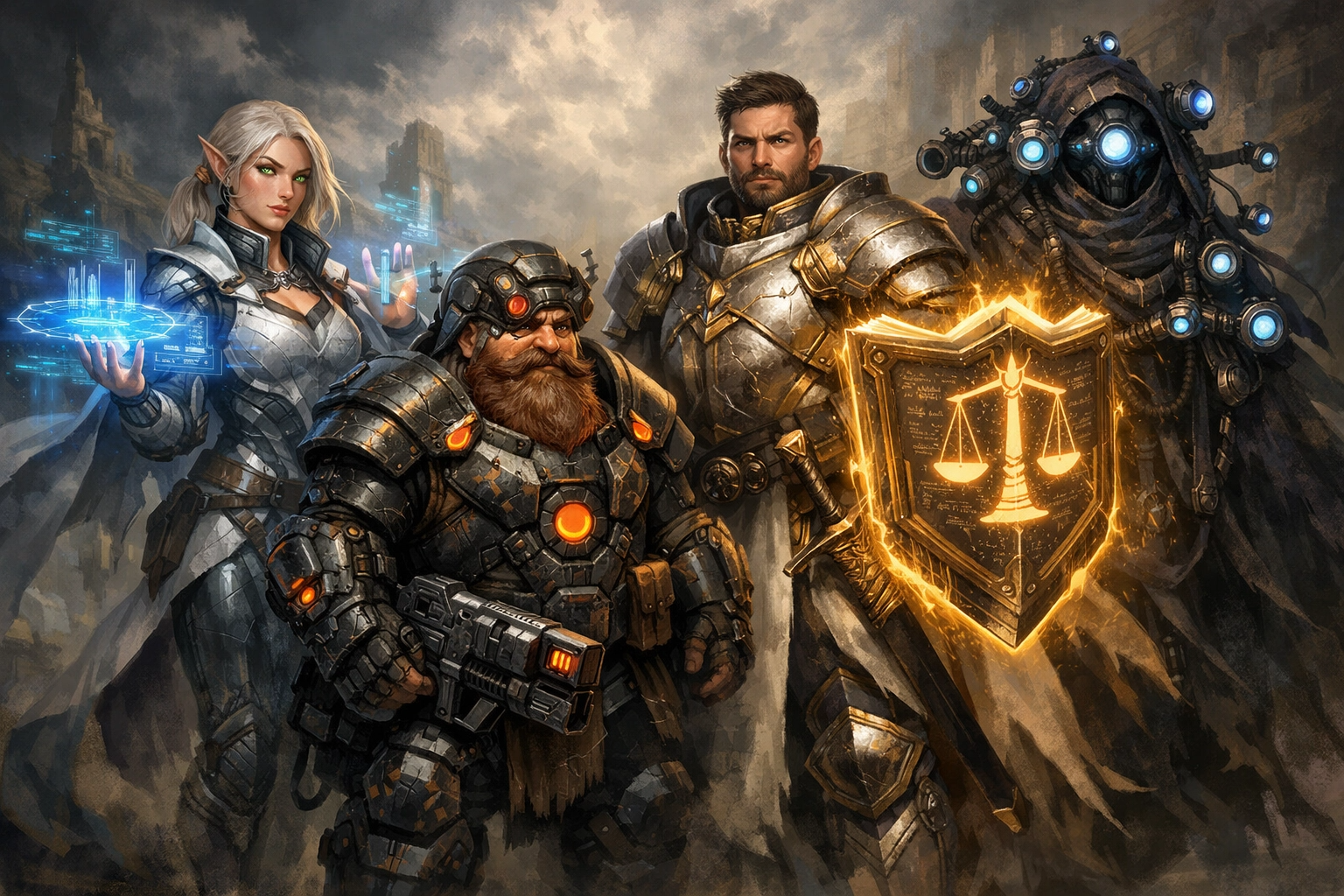
The Fellowship
"working together as a system..."

One System to Rule
"In the light bind them..."

OpenVerb Mastery
"OpenVerb did not make AI stronger. It made it understandable. And that changed everything."
OpenverbFellowship
for Python
The definitive implementation of the Fellowship pattern for Python AI agents.
Register, execute, and audit verbs with zero friction.
Install
pip install openverb-fellowship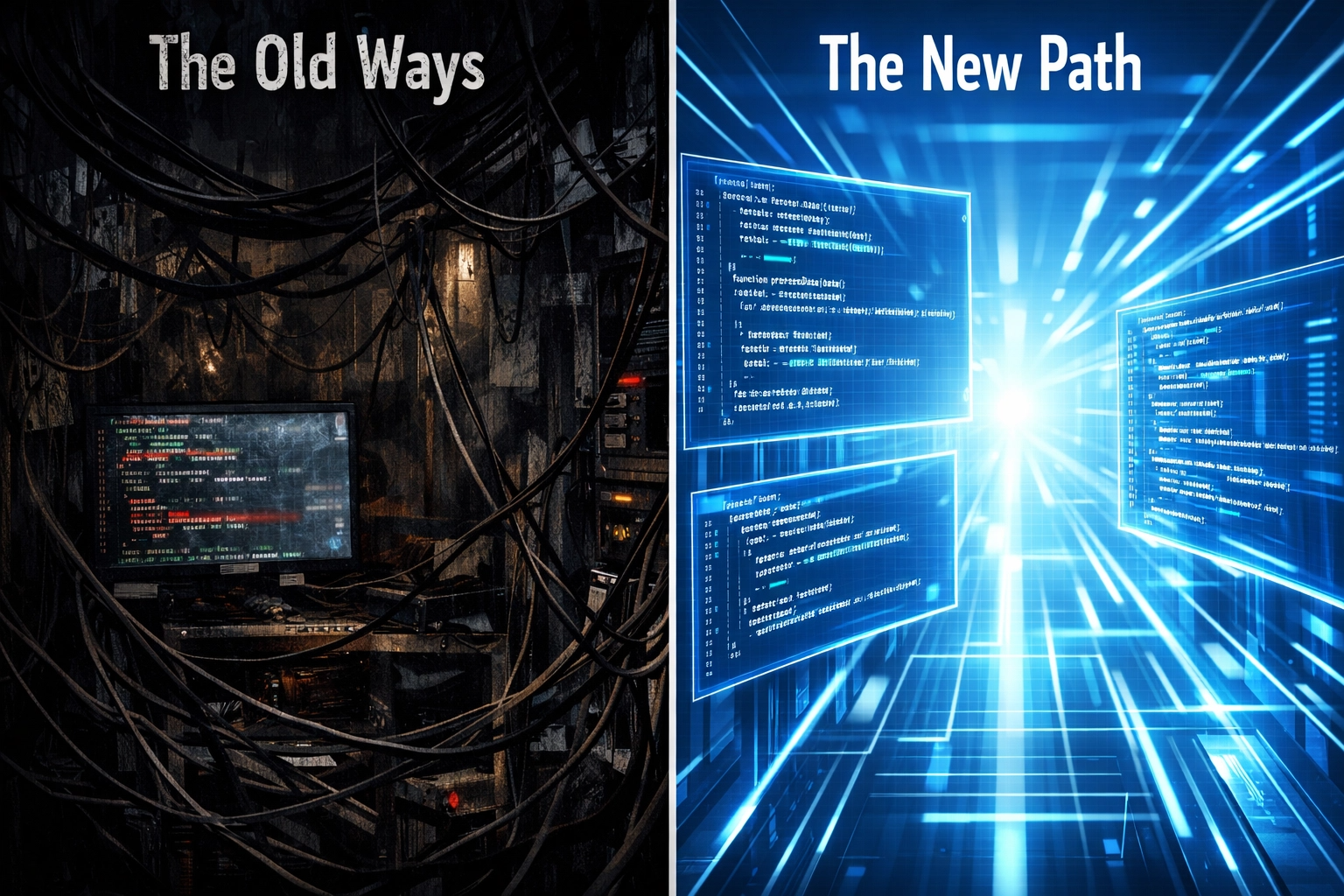
The Divide Crossed
The problem was never that AI was too powerful. The problem was that its power was invisible. By bringing it into the light, we've enabled the next generation of scale.

EPILOGUE
"In clarity, they found control.
In control, they found scale.
In scale, they found order."